




Owning a home comes with a long and important list of responsibilities that extend well beyond decorating and furnishing the space. Regular maintenance keeps a property in peak condition, prevents minor issues from becoming major financial problems, and actively protects the investment homeowners have made. Many first-time buyers significantly underestimate how much upkeep a home requires until they face an expensive repair that consistent proper maintenance could have prevented. Building a reliable home maintenance routine is one of the smartest and most financially sound habits any homeowner can develop early on.
Inspecting and Maintaining the Roof and Gutters
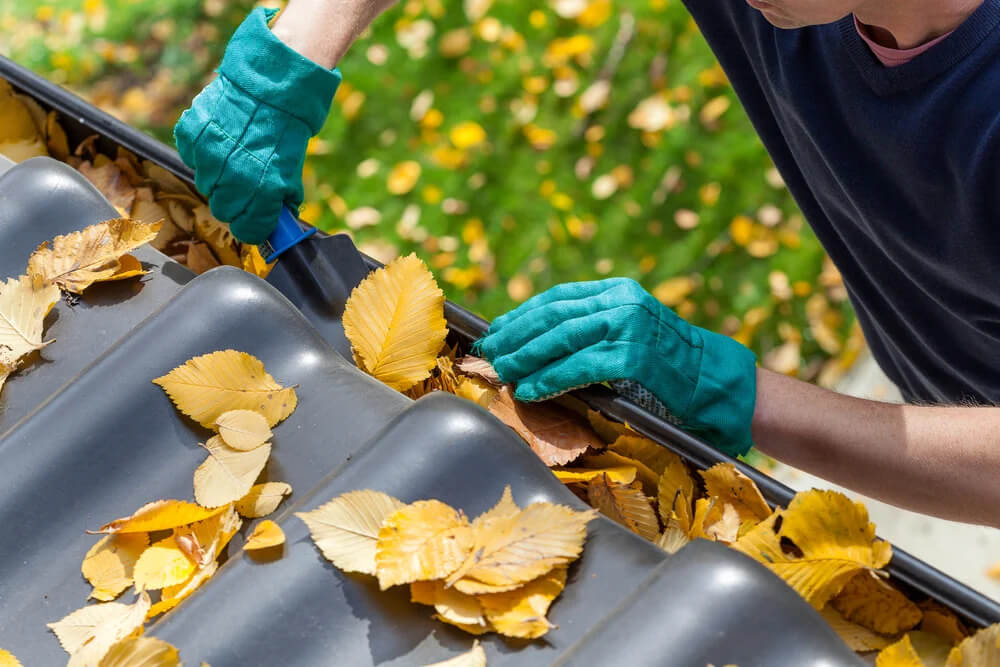
The roof represents one of the most critical components of any home, protecting everything beneath it from weather damage and moisture infiltration throughout every season. Inspect the roof at least twice per year, looking carefully for missing or damaged shingles, cracked flashing around chimneys and vents, and any visible signs of sagging or structural compromise. Clean gutters seasonally to prevent water from backing up and seeping under roofing materials or flowing toward the home’s foundation.
Protecting the Foundation From Water Damage
Foundation problems rank consistently among the most expensive and disruptive issues a homeowner can possibly face. Regularly inspect basement walls, crawl spaces, and the perimeter of the home for early signs of moisture infiltration, cracking, or gradual settling. Ensure that the ground around the home slopes away from the foundation to direct rainwater outward and away rather than toward the structure. When signs of water penetration appear, addressing home foundation leak repair promptly prevents the issue from escalating into serious structural compromise.
Keeping HVAC Systems in Good Working Order
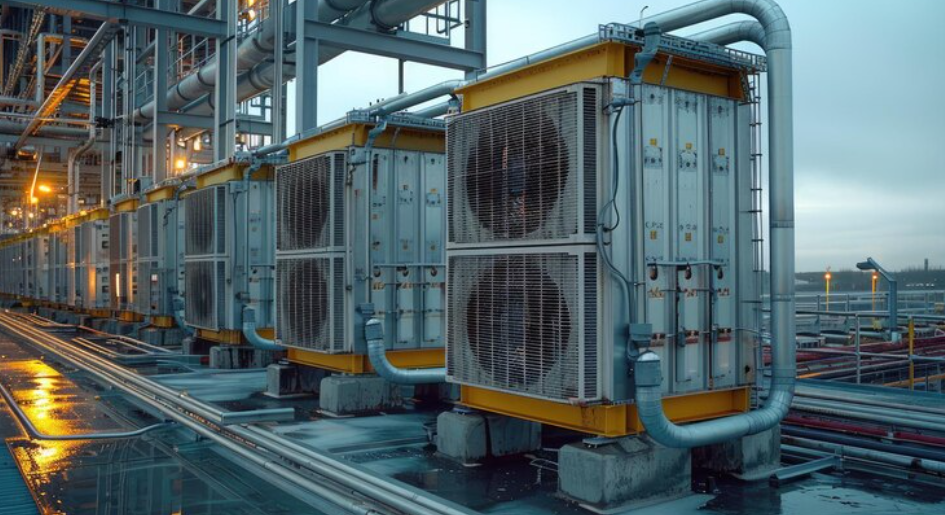
Heating, ventilation, and air conditioning systems require consistent regular attention to operate both safely and efficiently throughout the year. Replace air filters every one to three months depending on household conditions and pet activity, since clogged filters restrict airflow and force the system to work significantly harder than necessary. Schedule professional HVAC inspections annually before the heating or cooling season begins to catch worn or failing components before they cause a breakdown.
Prioritizing Home Cleaning to Prevent Long-Term Damage
Consistent home cleaning does far more than maintain pleasant appearances — it actively prevents deterioration and meaningfully extends the life of surfaces, fixtures, and systems throughout the property. Regular home cleaning tasks like wiping down bathroom tile grout, cleaning kitchen exhaust fans, and washing exterior siding prevent the damaging buildup of mold, grease, and grime that gradually degrades materials over time. Deep cleaning appliances like refrigerator coils and dishwasher filters improve their performance and noticeably reduce energy consumption.
Checking Electrical and Plumbing Systems Regularly
Electrical and plumbing systems function quietly in the background of daily home life but require periodic attention to remain safe and reliably effective. Test smoke detectors and carbon monoxide alarms monthly, replacing batteries annually even when units appear to be functioning normally and without issue. Check under sinks, around water heaters, and near major appliances for any early signs of leaks, drips, or corrosion developing over time. Watch for flickering lights, frequently tripping circuit breakers, or outlets that feel warm to the touch, as each of these signals an electrical issue requiring prompt professional attention.
Conclusion
Home maintenance does not need to feel overwhelming when approached as a series of manageable, regularly scheduled tasks. Consistent attention to the roof, foundation, HVAC, plumbing, and electrical systems keeps a home safe, comfortable, and valuable for decades. Building these habits early saves money, meaningfully reduces stress, and preserves the quality of one of life’s most significant investments.