
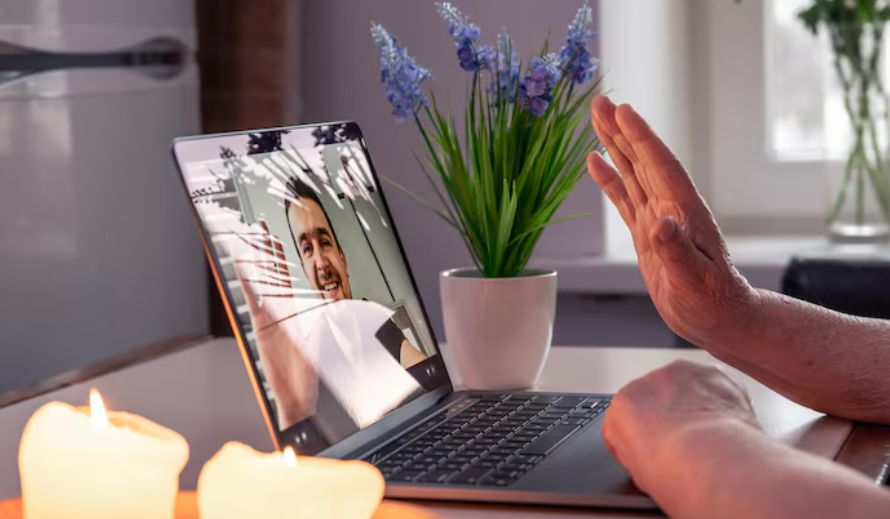




Spiritual well-being is an important part of living a balanced and meaningful life. It can help people feel more connected to themselves, their values, and their sense of purpose. However, busy schedules, distance, and everyday responsibilities can sometimes make it difficult to find time for spiritual care. A remote spiritual healing service offers a convenient way to explore spiritual practices and receive guidance without needing to visit a physical location. Through online sessions, people can create a quiet space for reflection and focus on their inner well-being.
Understanding Remote Spiritual Healing
A remote spiritual healing service allows spiritual guidance or healing sessions to take place from a distance, often through video calls, phone conversations, or other online methods. Practitioners may use meditation, guided relaxation, prayer, energy-based practices, or other spiritual techniques depending on their approach.
The purpose of these sessions is generally to encourage relaxation, self-reflection, and a stronger connection with one’s spiritual values. Since the experience can vary between practitioners and individuals, it is helpful to choose a service that clearly explains its approach and respects personal beliefs.
Creating Time for Spiritual Connection
Modern life can be demanding, leaving little time for personal reflection. A remote spiritual healing service can make spiritual practices easier to include in a regular routine. Sessions can often be arranged from the comfort of home, allowing individuals to avoid travel and spend more time focusing on themselves.
Having a dedicated period for meditation, reflection, or spiritual discussion can encourage people to slow down and become more aware of their thoughts and feelings. Over time, this practice may help create a greater sense of calm and personal connection.
Supporting Personal Reflection and Awareness
Spiritual well-being is not only about following a particular practice. It can also involve understanding personal values, exploring meaningful questions, and developing greater self-awareness. A remote spiritual healing service can provide a structured setting for this type of reflection.
During a session, individuals may be encouraged to consider their goals, emotions, relationships, and personal beliefs. This process can help them better understand what gives their life meaning. The guidance received can also inspire them to develop healthy habits that support continued personal growth.
Convenience of Remote Spiritual Sessions
One of the main benefits of a remote spiritual healing service is accessibility. People who live far from spiritual practitioners or have demanding schedules may find online sessions easier to attend. Remote services can also provide a familiar environment where individuals feel comfortable participating.
Being at home can make it easier to prepare a peaceful space before a session. Turning off distractions, sitting comfortably, and allowing enough quiet time can help create an atmosphere suitable for meditation and reflection.
Choosing a Suitable Spiritual Healing Service
Choosing the right remote spiritual healing service requires thoughtful consideration. People should look for practitioners who communicate clearly about their methods, experience, and expectations. It is also important to select someone who respects individual beliefs and personal boundaries.
A professional service should not make unrealistic promises or suggest that spiritual healing can replace necessary medical or mental health care. Instead, it should complement a person’s broader approach to personal well-being.
Conclusion
A remote spiritual healing service can offer a convenient and flexible way to focus on spiritual well-being. Through guided reflection, meditation, spiritual discussion, and other practices, individuals may find opportunities to reconnect with themselves and their personal values. When approached with realistic expectations and an open mind, remote spiritual sessions can become a meaningful part of a balanced personal wellness routine.